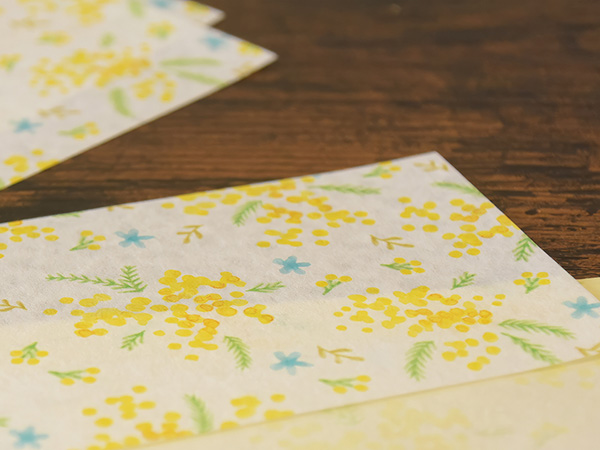
Write a short note by hand, and the way the pen tip moves across the page depends on the paper beneath it. Some papers offer a little resistance under the nib. Others let it glide more easily. The way ink settles into the surface can change too.
Mino Washi is the general name for washi, or Japanese paper, made in the Mino region of Gifu Prefecture, an area centered on Mino City and shaped by the Nagara and Itadori Rivers.
Mino City in Gifu Prefecture is known as a region with a long papermaking history. The Nagara and Itadori Rivers supplied the clean water essential to papermaking, while the surrounding hills provided conditions suited to growing kozo, the plant whose inner bark has traditionally supplied fibers for washi.
That history continues today in very different forms. Mino Washi includes traditional sheets formed individually by hand, but it also includes machine-made paper used for letter paper, notebooks and other everyday stationery.
Within this broad category is Honminoshi, a specifically defined form of handmade Mino Washi produced according to strict requirements governing its materials and traditional techniques.
In 1969, Honminoshi was designated an Important Intangible Cultural Property of Japan. In 2014, its traditional papermaking technique was included alongside Sekishu-Banshi and Hosokawa-shi in UNESCO's Intangible Cultural Heritage listing “Washi, craftsmanship of traditional Japanese hand-made paper.”
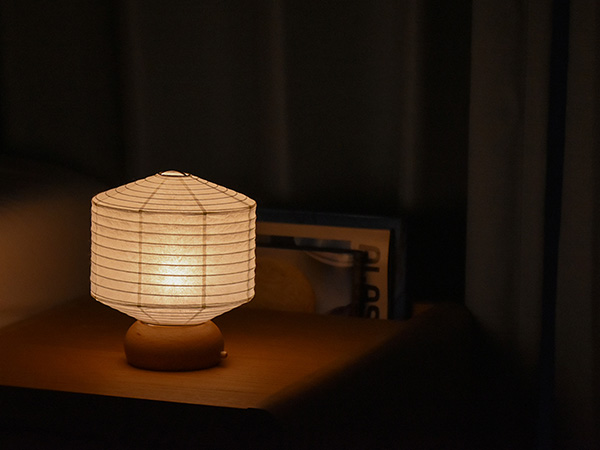
Today, Mino Washi appears in products ranging from shoji paper—the translucent paper traditionally used in Japanese sliding screens—to letter paper, notecards, notebooks, pochibukuro (small decorative envelopes), lighting and craft paper.
Papermaking in the Mino region can be traced back more than 1,300 years.
A census document dated to 702 and preserved in the Shosoin Repository in Nara was written on paper made in Mino. The surviving document provides evidence that papermaking techniques were already established in the region by the early eighth century.
Mino's geography helped the industry develop.
Papermaking requires considerable amounts of water to wash impurities from prepared fibers and disperse those fibers before sheets are formed. The Nagara and Itadori Rivers provided access to water, while the surrounding landscape supported the cultivation and availability of materials such as kozo.
The Nagara River also provided a route for transporting finished paper beyond the region, helping Mino paper reach larger markets.
During the Edo period (1603–1868), paper from Mino became widely known as Mino shoji and was supplied for official use by the Tokugawa shogunate, helping establish its reputation as shoji paper across Japan.
From the Meiji era (1868–1912) onward, Western-style paper and papermaking machinery spread through Japan. Mino became an early center for the development of machine-made washi, expanding regional production beyond traditional shoji and calligraphy papers into specialty papers and everyday goods.
Traditional hand papermaking continued alongside this industrial development.
Today, hand papermaking and machine papermaking continue side by side in the Mino region. They produce papers with different materials, surfaces and intended uses while sharing the same regional papermaking heritage.
The qualities most closely associated with traditional handmade Mino Washi come from the material itself and from a forming method known as nagashi-zuki.
These characteristics apply particularly to handmade paper, including Honminoshi. They should not automatically be applied to all machine-made Mino Washi or stationery carrying the regional name.
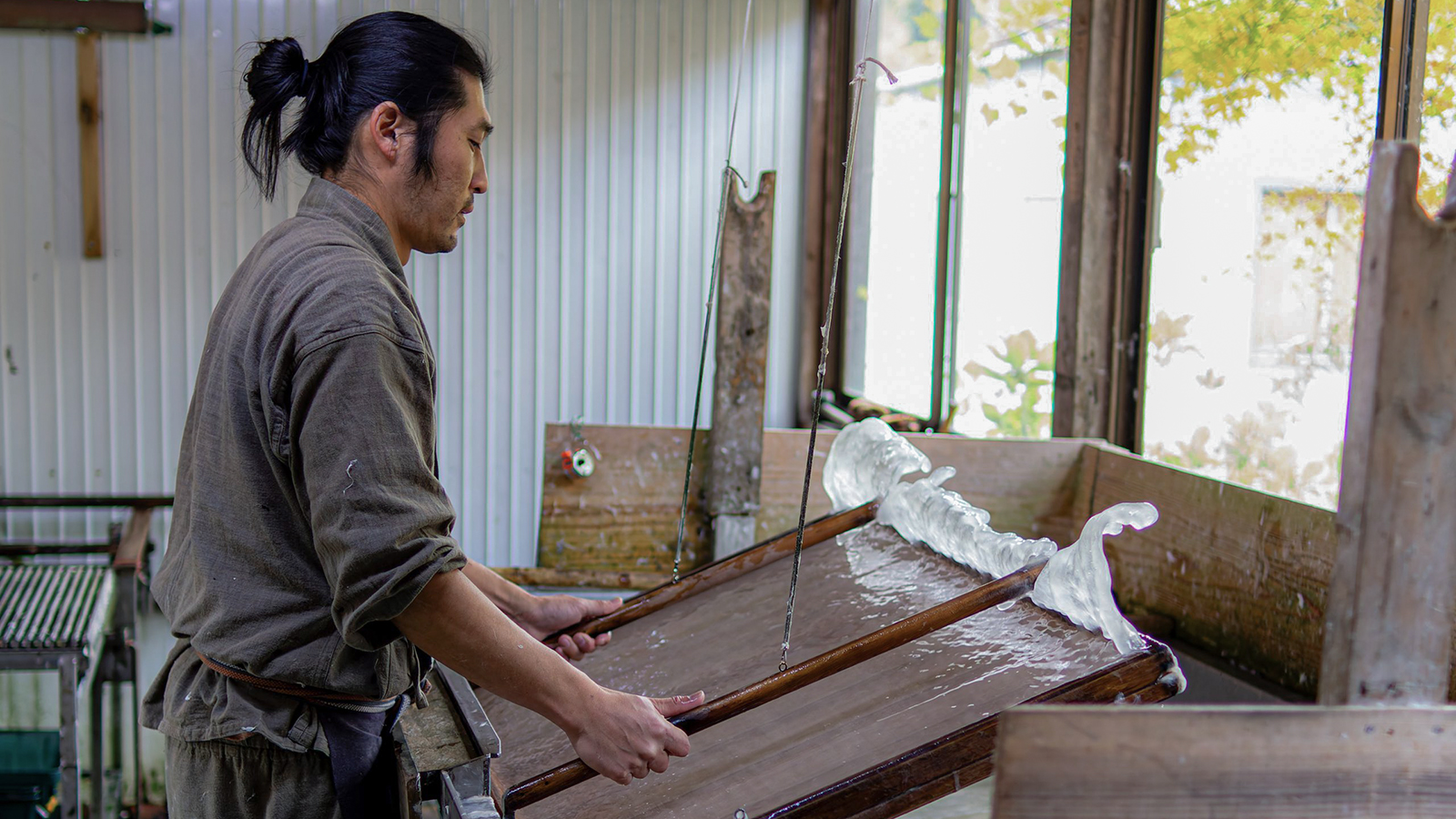
In nagashi-zuki, an artisan works with plant fibers dispersed in water, using a wooden frame fitted with a bamboo screen to build a sheet gradually.
For Honminoshi, the process includes two traditional sheet-forming movements known as ubusu and kikoshi. Ubusu establishes a thin initial layer. During kikoshi, the artisan moves the frame so that the long kozo fibers overlap and interlace in multiple directions rather than settling predominantly along a single axis.
That fiber structure helps traditional handmade Mino Washi combine two qualities that might otherwise seem contradictory: thinness and resistance to tearing. Hold a handmade sheet up to the light and its internal structure becomes easier to see.
Long fibers spread across and through the paper rather than disappearing into a perfectly uniform surface. This structure also affects the way light passes through washi. Rather than transmitting light directly like clear glass, the network of fibers scatters and softens it.
The process below describes traditional handmade production, particularly the methods relevant to Honminoshi, rather than machine-made Mino Washi.
1. Preparing the Kozo
The process begins with kozo, a plant in the mulberry family whose inner bark contains the long fibers used for papermaking. After the branches are harvested and steamed, the bark is removed. The dark outer layers are scraped away to leave the pale inner bark used for paper. This preparation matters because unwanted outer material can affect the appearance and consistency of the finished sheet.
2. Cooking and Cleaning the Fibers
The prepared kozo is cooked in an alkaline solution to soften the material and separate the fibers. After cooking, it is washed thoroughly in clean water. Remaining knots, bark fragments and other impurities are removed by hand. This cleaning stage helps produce the pale, relatively even fiber material needed before sheet forming can begin.
3. Beating the Kozo
The cleaned kozo is beaten to loosen and separate its fibers without simply reducing them to a fine pulp. The long fibers are important to traditional Mino Washi because they help form the structure of the finished sheet.
4. Preparing the Vat
The fibers are dispersed in a vat of water. A viscous forming aid called neri is added to help keep the fibers suspended rather than allowing them to settle too quickly. Traditionally, this can be prepared from tororo-aoi, a plant in the hibiscus family whose roots release a natural mucilage when processed in water.Neri does not simply become a permanent adhesive holding the finished paper together. Its role is particularly important while the fibers are suspended and the sheet is being formed.
5. Forming the Sheet — Nagashi-zuki
The artisan scoops the fiber-and-water mixture with a wooden frame fitted with a flexible bamboo screen. In the traditional nagashi-zuki method, the frame is moved repeatedly as water drains away. For Honminoshi, movements known as ubusu and kikoshi help distribute the long kozo fibers across the sheet.
Rather than simply pouring pulp into a fixed mold, the artisan builds the sheet through repeated movement, judging the concentration of fibers, drainage and developing thickness by eye and feel.
6. Pressing and Drying
Freshly formed sheets are stacked while still wet and then pressed to remove excess water.
The sheets are separated and dried individually. Traditional methods may involve brushing each sheet onto a drying board, although drying methods vary according to the paper and producer. Once dry, the surface, thickness and overall condition of the paper can be checked before it moves on to its intended use.
Machine-made Mino Washi follows a fundamentally different production system, even when some of the fibers or finished applications overlap with handmade paper.
Mino Washi is not one uniform paper. The name covers papers that differ in production method, materials, surface and intended use. The three examples below are therefore best understood as broad categories within the regional papermaking tradition.
Honminoshi
Honminoshi is a specifically defined form of handmade Mino Washi, produced with kozo fiber and traditional tools and techniques according to strict requirements governing its materials and production. Traditional sheet forming distributes long kozo fibers across the paper, helping produce sheets that can be thin while retaining resistance to tearing.
Handmade Mino Washi
Handmade Mino Washi extends beyond Honminoshi. Producers can make a range of papers by hand for applications including calligraphy, printmaking, craft, lighting and other paper goods. Materials, thickness and surface qualities depend on the particular paper. Hand forming allows makers to work directly with fiber concentration, sheet thickness and surface appearance.
Machine-Made Mino Washi
Mino has also developed a substantial tradition of machine-made washi. Modern papermaking allows producers to adjust fiber blends, thickness, surface treatment and other characteristics for specific applications. Depending on the product, materials may include kozo, mitsumata, gampi or wood pulp. Machine production can provide more consistent specifications and allows paper to be designed around particular uses.
Paper can be easy to overlook because so much of its work happens beneath whatever is written, wrapped or illuminated. Mino Washi becomes more noticeable when the same material is encountered in different situations: beneath a pen, around a small gift, or between daylight and a room.