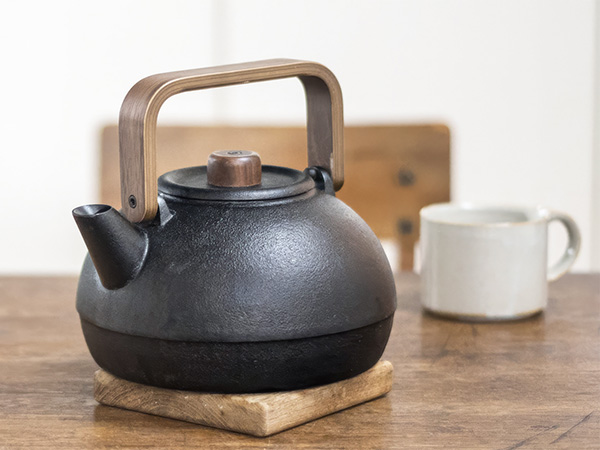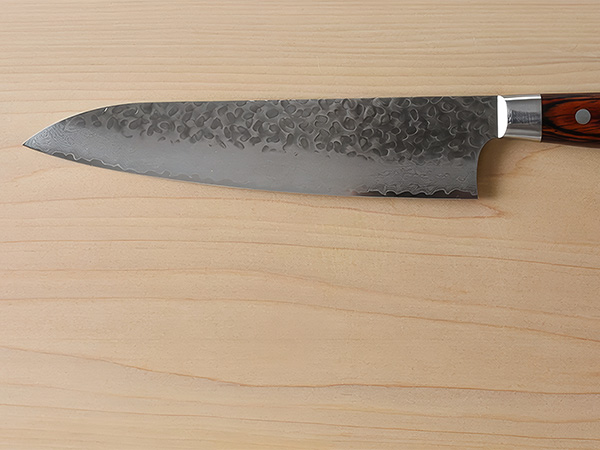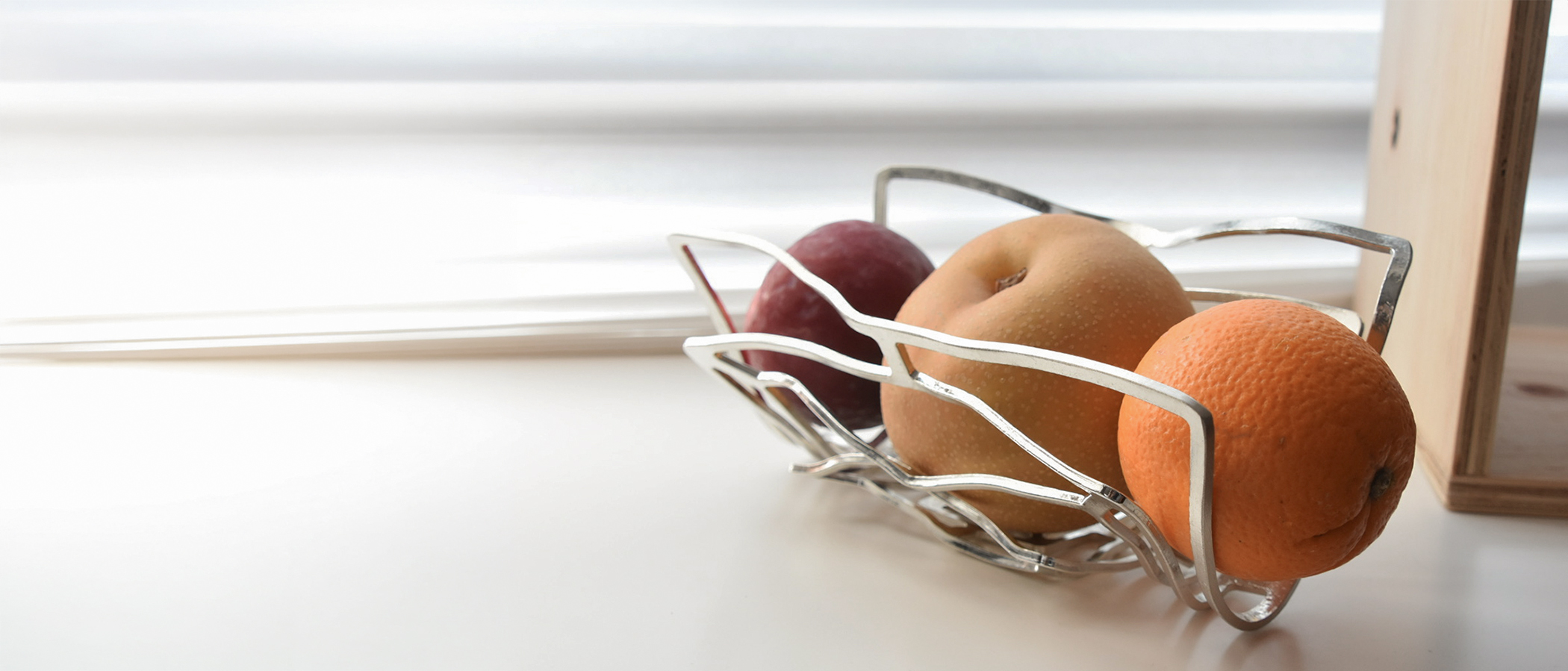
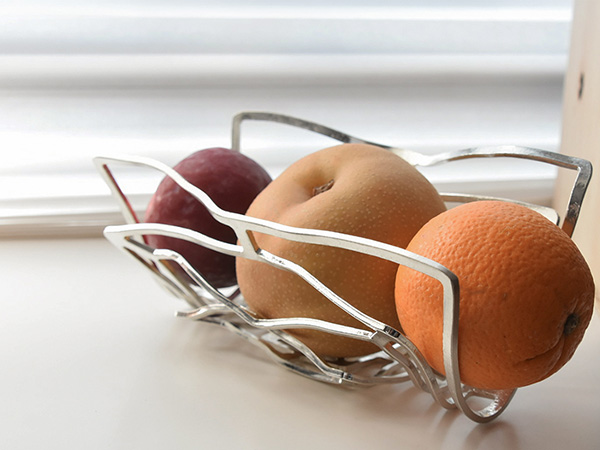
Line up a few metal vessels on a shelf, and you'll notice how differently they catch the light. One may have a deep brown surface with little reflection; another may show the warm yellow of brass; a third may carry areas of green or blue.
Takaoka copperware is a metalworking tradition centered in Takaoka, Toyama Prefecture, on the Sea of Japan coast of central Japan.
The term “copperware” can be slightly misleading in English. Pure copper is one material used in the craft, but so are copper alloys such as bronze and brass. Bronze is primarily an alloy of copper and tin, while brass is primarily an alloy of copper and zinc. Differences in composition affect color, hardness, casting behavior, and the way a surface responds to finishing.
What gives the craft much of its range is what happens after the metal is shaped. Casting may be followed by engraving, polishing, and specialist surface coloration, often carried out by craftspeople or workshops responsible for different stages of production.
The finished surface is therefore not simply a coating placed over the metal. Traditional coloration can develop through controlled reactions at the metal's surface. After the object enters daily life, that surface may continue to change through contact with air, moisture, and hands.
Understanding those two kinds of change — the finish deliberately created during production and the gradual changes that can follow through use — offers one way into a metalworking tradition that has developed in Takaoka for more than four centuries.
Takaoka's casting industry is generally traced to 1611.
Maeda Toshinaga, the local feudal lord who founded the castle town of Takaoka, invited metal casters to settle there as part of efforts to develop the town's industries. The area where they established their workshops became known as Kanaya-machi and remains closely associated with Takaoka's metalworking history.
The early industry focused largely on iron castings, including practical objects such as pots, kettles, and agricultural tools.
Around 1700, the production of copper-alloy castings began to expand. Over time, Takaoka's metalworkers developed work in bronze and brass alongside iron, and the range of objects widened to include Buddhist ritual implements, decorative pieces, and other cast metal goods.
During the late 19th century, after Japan opened more extensively to international trade, highly decorated Japanese metalwork attracted attention overseas. Takaoka makers produced art and craft objects for export, and techniques such as casting, engraving, inlay, and surface coloration developed alongside one another.
Production faced major restrictions during World War II, when metals were tightly controlled and diverted to wartime use. After the war, Takaoka's metalworking industry resumed production and continued to adapt to changing markets.
In 1975, Takaoka copperware was officially designated by the Japanese government as a Traditional Craft, a status used in Japan for regional craft industries that meet defined criteria concerning traditional techniques, materials, and production history.
Today, the region's metalworking extends from Buddhist objects, monuments, and sculpture to smaller products for the home. Contemporary manufacturers and brands, including Nousaku (https://www.nousaku.co.jp/en/) and FUTAGAMI (https://www.futagami-imono.co.jp/), have brought casting traditions into objects such as tableware, trays, bottle openers, bells, and interior accessories.
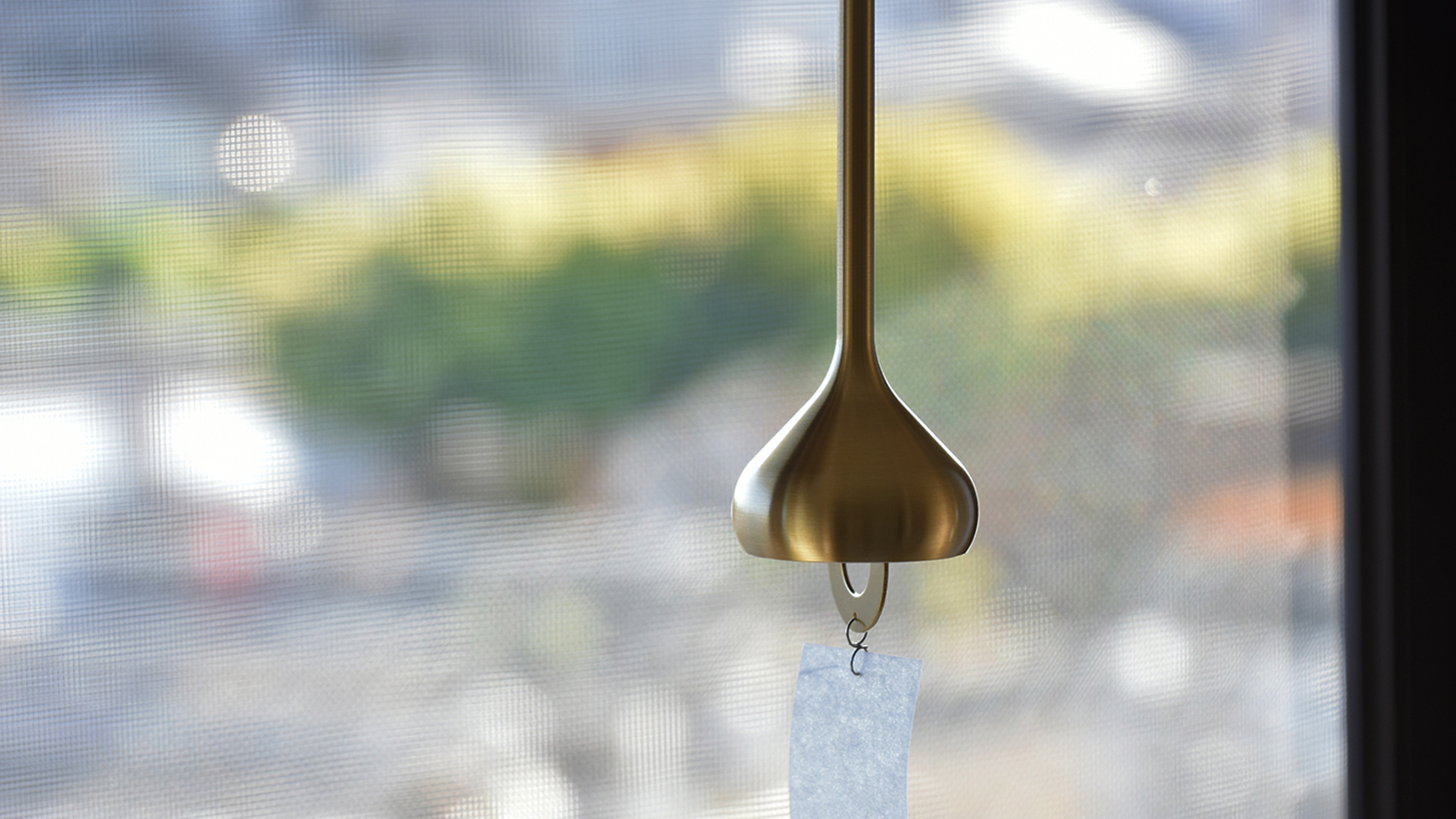
The appearance of Takaoka copperware is shaped by both the metal itself and the work carried out on its surface.
Pure copper has a reddish tone. Bronze, which is primarily made from copper and tin, can take on darker brown or muted metallic tones depending on its composition and finish. Brass, primarily an alloy of copper and zinc, is often recognized by its warmer yellow color.
Casting can leave evidence of the mold on the finished metal.
Some cast pieces retain a subtly uneven, granular surface created during molding and casting. It can preserve some of the texture created during the molding and casting process.
Other pieces may be polished until the surface becomes smoother and more reflective. The final appearance therefore depends not only on the alloy, but also on how much of the cast surface is retained, engraved, polished, or otherwise finished.
One of the most distinctive areas of Takaoka metalworking is traditional surface coloration.
After casting, engraving, and polishing, a craftsperson may deliberately treat the metal so that controlled chemical reactions develop color at its surface. This is different from simply covering the object with conventional paint.
Different techniques can produce different effects. Hanshido refers to a mottled purple-toned finish, while nirido can produce reddish-brown to darker brown tones. Other treatments may create green, blue, or blackened surfaces.
These deliberately produced finishes should be distinguished from changes that happen later through use.
Copper and copper alloys naturally react with oxygen, moisture, salts, skin oils, and other substances in their environment. Over time, this can alter the color or sheen of the surface. Green or blue-green corrosion products on copper alloys are commonly called verdigris.
How much an object changes depends on its alloy, original finish, coating, environment, and use. Some owners leave these changes visible; other objects are intended to retain a particular finish and require specific care.
Takaoka copperware is not necessarily made from start to finish by one person. The region has long relied on specialist skills, and different workshops or craftspeople may handle casting, engraving, polishing, and coloration.
1. Creating the Form and Mold
For sand-mold casting, a pattern is used to create a cavity in specially prepared casting sand. Once the pattern is removed, the cavity becomes the space into which molten metal will be poured.
More complex forms may use other casting techniques, including lost-wax casting. In this method, a wax model is surrounded by mold material; the wax is then removed, leaving a cavity that reproduces the model's shape.
2. Melting and Pouring the Metal
Copper, bronze, brass, or another specified alloy is heated until molten. The metal is poured into the prepared mold and allowed to cool and solidify. Temperature, alloy composition, mold preparation, and the design of the object all affect the casting process.
3. Removing and Refining the Casting
Once the metal has cooled, the mold is removed and excess material from the casting process is cut or ground away. The surface may then be refined according to the intended design. Some objects retain more of the texture associated with casting, while others are prepared for further engraving, polishing, or coloration.
4. Engraving and Polishing
Depending on the object, specialist craftspeople may carve, chase, or engrave details into the surface. Polishing can then alter both texture and reflectivity. A highly polished brass object catches light differently from a bronze piece whose cast texture has deliberately been left visible.
5. Coloring the Surface
For pieces that use traditional coloration, the metal surface is carefully prepared before chemical treatments are applied. The prepared surface is treated to develop the intended color directly on the metal rather than covering it with an opaque painted layer. The resulting color depends on factors including the alloy, surface preparation, treatment used, temperature, and the craftsperson's technique.
The alloy, casting method, surface treatment, and intended use can produce objects with very different colors and textures. The examples below show two casting techniques.
Sand-Mold Casting
A pattern is pressed or formed into prepared casting sand to create a mold. Molten metal is poured into the resulting cavity and allowed to cool. The process can be used for objects of many sizes and forms. Depending on how the surface is subsequently finished, traces of the cast texture may remain visible or be polished away.
Lost-Wax Casting
Lost-wax casting begins with a model made from wax. The model is enclosed in mold material, and the wax is removed to leave a cavity into which molten metal can be poured. Because the mold reproduces the original wax form, the method is useful for shapes with complex contours and fine details.
Metal brings qualities to a room that become noticeable through use: weight when an object is lifted, changes in reflection as daylight moves, the feel of a cast or polished surface, and, in the case of a bell, sound.